What a shinai is
The shinai (竹刀) is a bamboo training sword — the primary weapon in kendo. You'll spend most of your practice holding a shinai, so it's worth understanding how it's built, picking the right size, and learning how to care for it.
To make a shinai, a bamboo stalk about 121 cm long (4 shaku) is cut from roughly 10 cm above the root. The stalk is split into 6–8 slats, and four of the right weight and length are selected. The slats are treated, heated to shape, and then assembled into a finished shinai.
Parts of a shinai

A shinai is made up of several key parts:
- Slats (take) — four bamboo slats forming the blade
- Tsuka-gawa (grip) — the leather cover on the handle
- Saki-gawa (tip cap) — the leather tip at the end of the shinai
- Tsuru (string) — the cord connecting the handle to the tip
- Nakayui (leather binding) — attached about one-third of the length from the tip
- Tsuba (guard) — the round plate that protects the hands
- Tsuba-dome — the tsuba retainer
- Chigiri — a small metal plate inside the handle that prevents the slats from shifting
How to choose a shinai: size and weight
Your shinai depends on age, height and level. The International Kendo Federation (IKF) defines the following standards:
Shinai length
| Category | Elementary school | Middle school | High school | Adults |
|---|---|---|---|---|
| Length | up to 99 cm | up to 105–111 cm | up to 114–117 cm | up to 120 cm |
Shinai weight
| Category | Men | Women |
|---|---|---|
| Elementary school | no limit | no limit |
| Middle school | from 440 g | from 400 g |
| High school | from 480 g | from 420 g |
| Adults | from 510 g | from 440 g |
When choosing a shinai, look beyond length and weight — pay attention to balance, grip thickness, and the material of the tsuka-gawa, nakayui and other parts.
Minimum saki-gawa diameter
The IKF also sets a minimum diameter for the tip (saki-gawa):
- Men's shinai (under 36): 24 mm
- Women's shinai (under 37): 25 mm
- Men's (38–39): 26 mm
Bamboo types: Keichiku and Madake
Two kinds of bamboo are mainly used for shinai:
Keichiku (桂竹)
A bamboo that grows in warm regions. Its slats are 7–8 cm thick and heavy. Keichiku is quite dense and heavy but has a natural "moisture" — it splits faster on impact. This is the most common and affordable option.
Madake (真竹)
Four-year-old Madake bamboo — 8–12 cm in diameter. Also tough, but less readily available. Madake is the more premium bamboo, used for shinai aimed at experienced kendoka.
Tip from Bogu Market: Older bamboo is more brittle under impact. If a shinai has been in use for a long time — check it more often. Remember: "Old bamboo is fragile."
What makes a good shinai
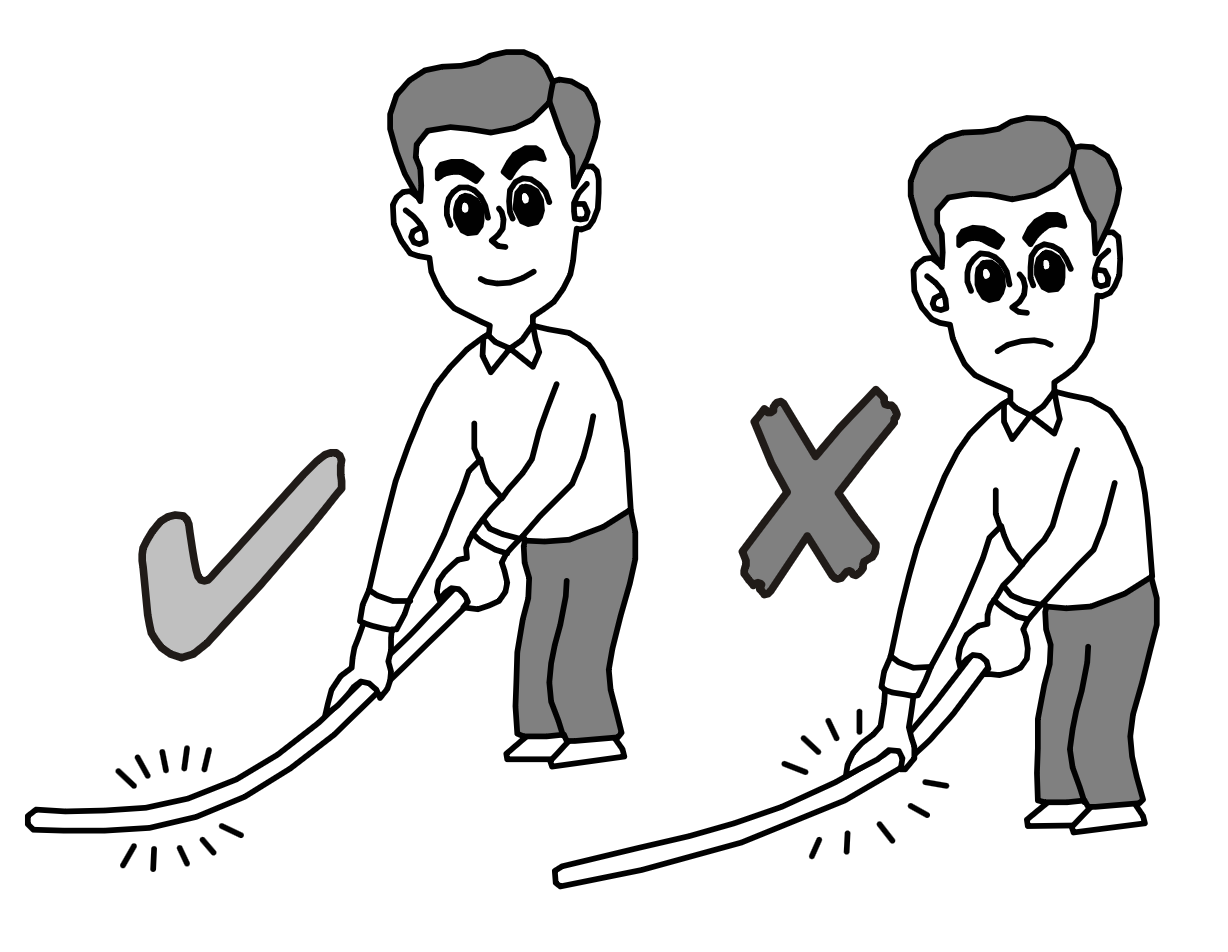
The most important property of a good shinai is strength and straightness. If you press the tip into the floor and try to bend the shinai, it should bend in the upper third — the part you strike with.
When you release the pressure, the shinai should immediately return to its original shape. The point where the shinai bends is the point where strike energy is lost. If you strike closer to the tsuba (guard), the shinai behaves like an ordinary stick — it bounces back and most of the force is absorbed by protective armor.
How to store a shinai properly
Inspect your shinai after every training session. Key storage rules:
- Check the tsuru tension — it should be pulled taut
- Check the nakayui — it shouldn't shift or come undone
- Inspect the slats for chips and cracks
- Store the shinai upright or in a proper bag
- Don't leave it in damp or hot places — bamboo can deform
If the tip has loosened or a bamboo slat has a chip — do not use that shinai in practice. It's dangerous: a damaged slat can fly off and strike the eye through the men's grille.
Shinai maintenance: removing chips and cracks
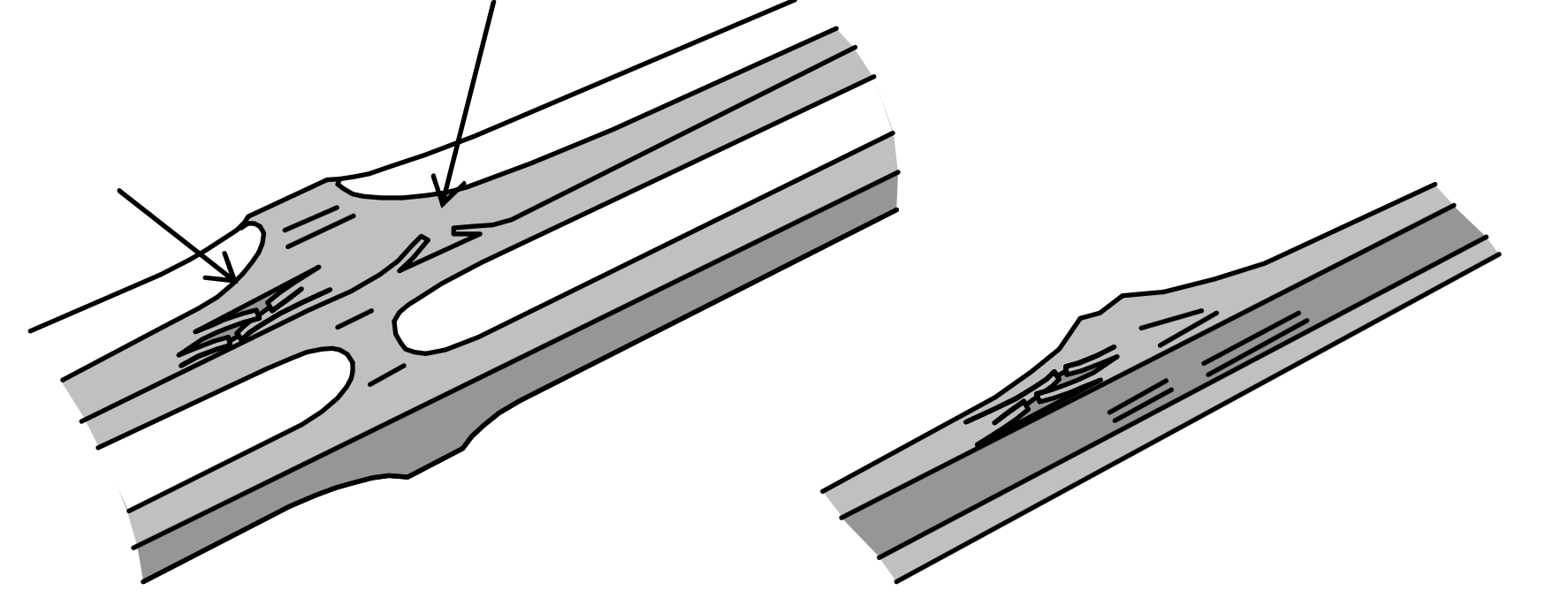
If your shinai has chips or small cracks:
- Disassemble the shinai — remove the tsuka-gawa, loosen the nakayui and tsuru
- Scrape off the damaged fibers with a knife, file or shard of glass (pushing away from yourself)
- Sand the surface with sandpaper
- Apply oil to the treated area — camellia oil (椿油), mineral oil, or a dedicated shinai oil (such as walnut-based Kurumi Oil)
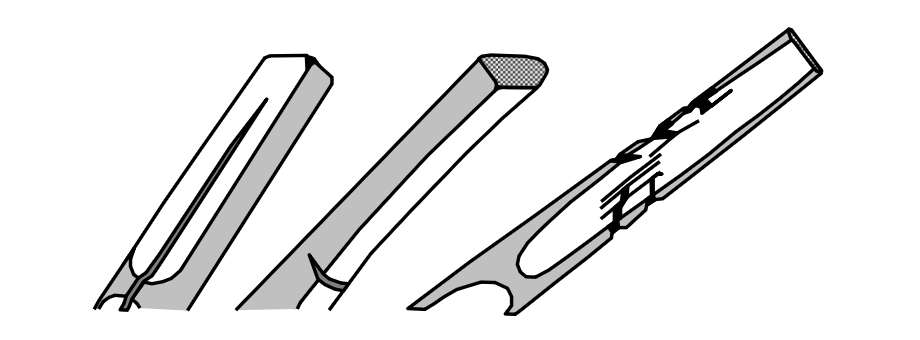
Important: If a slat is cracked or has split badly, it cannot be repaired. Wrapping it with tape and continuing to use it is dangerous.
Disassembling and assembling a shinai
How to disassemble a shinai
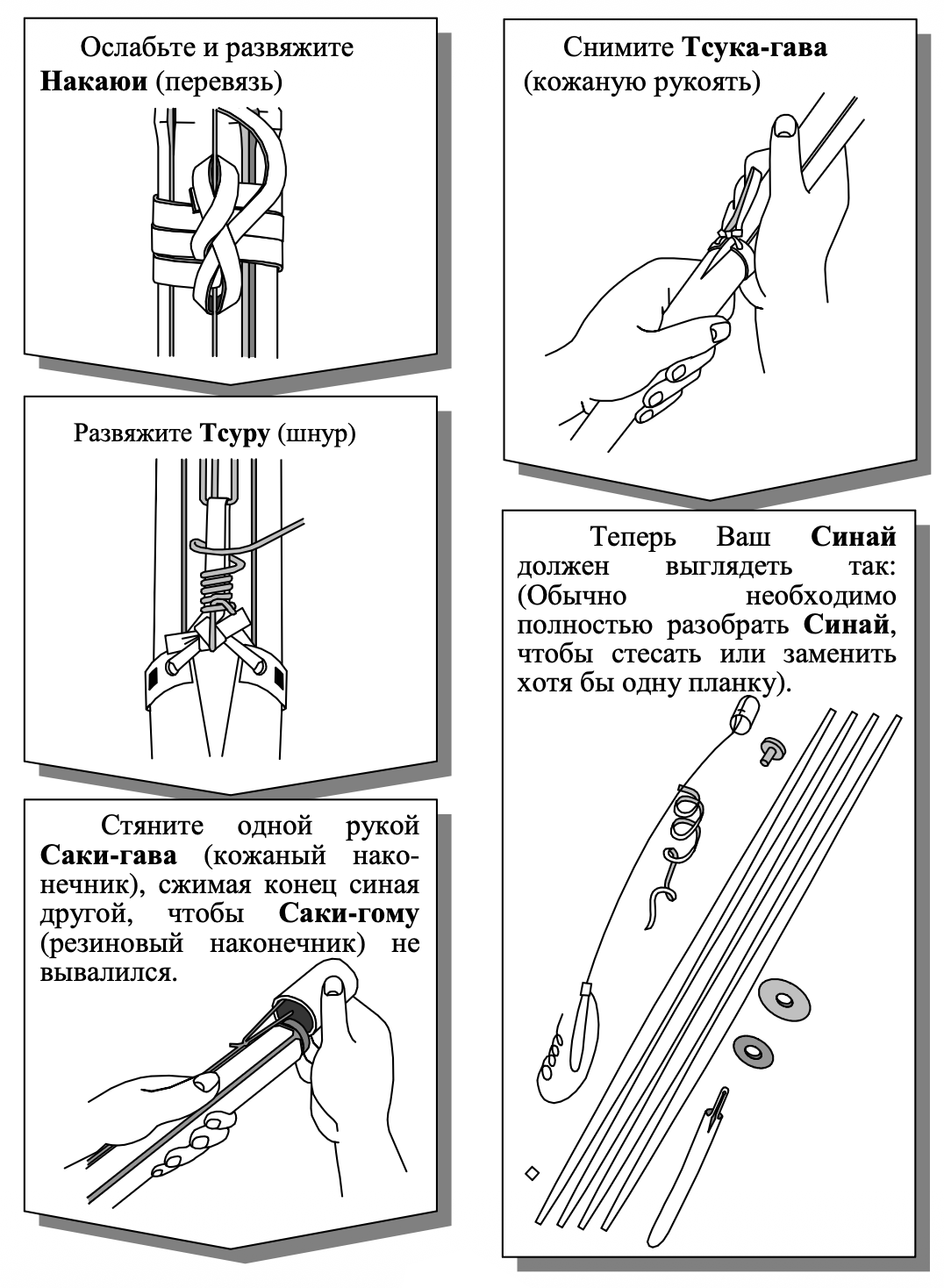
- Loosen and untie the nakayui (binding)
- Untie the tsuru (cord)
- Remove the tsuka-gawa (leather grip)
- Remove the saki-gawa (leather tip), squeezing the end of the shinai so the tip cap doesn't fall out
- You now have four separate slats, ready for maintenance
Assembling a shinai from spare parts
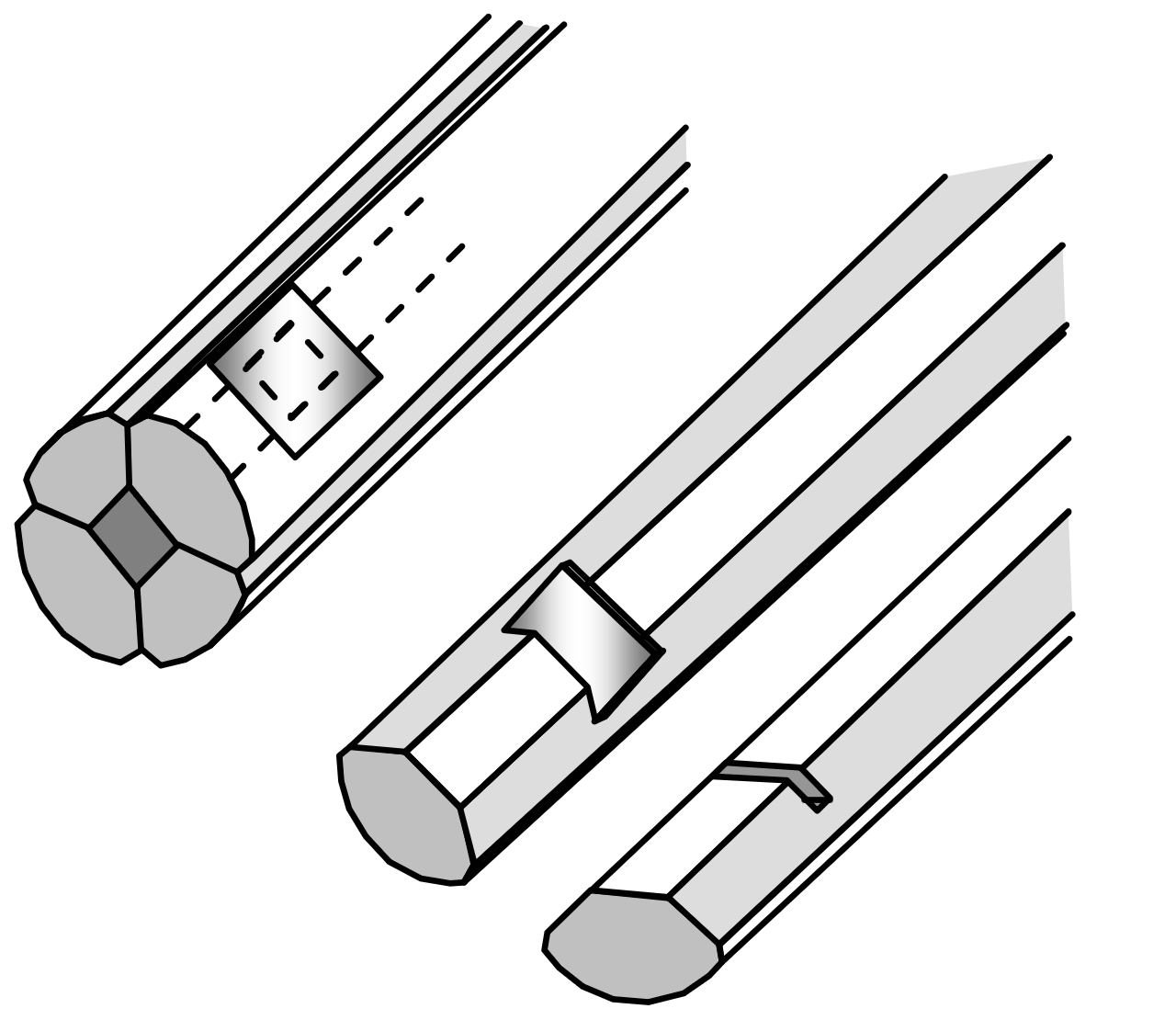
Shinai have a chigiri — a small metal plate inside the handle that keeps the slats from shifting. When assembling from parts of different shinai, make sure the notches in the slats line up with the chigiri.
Fitting the saki-gawa (tip cap)
A self-tightening knot is used to secure the tsuru to the saki-gawa:
- Insert the saki-gomu (rubber tip) into the hole at the end of the shinai
- Slide the saki-gawa over the shinai
- Thread the tsuru and secure it with a knot
Important: Use a saki-gomu of the correct diameter. Carbon shinai have a specially shaped tip — they cannot be swapped for others.
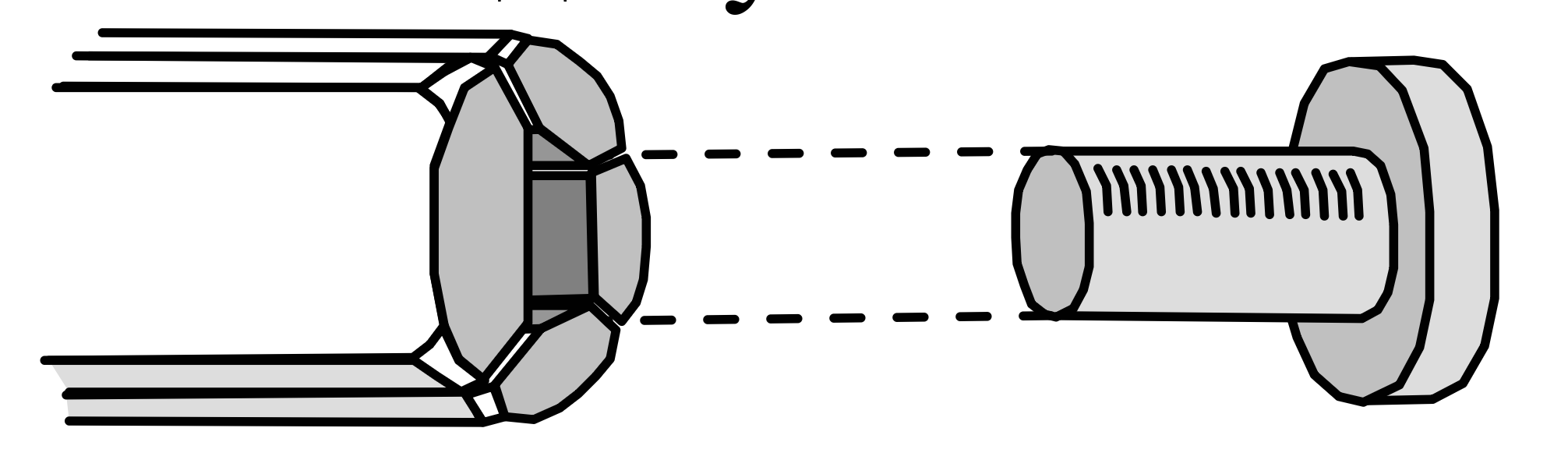
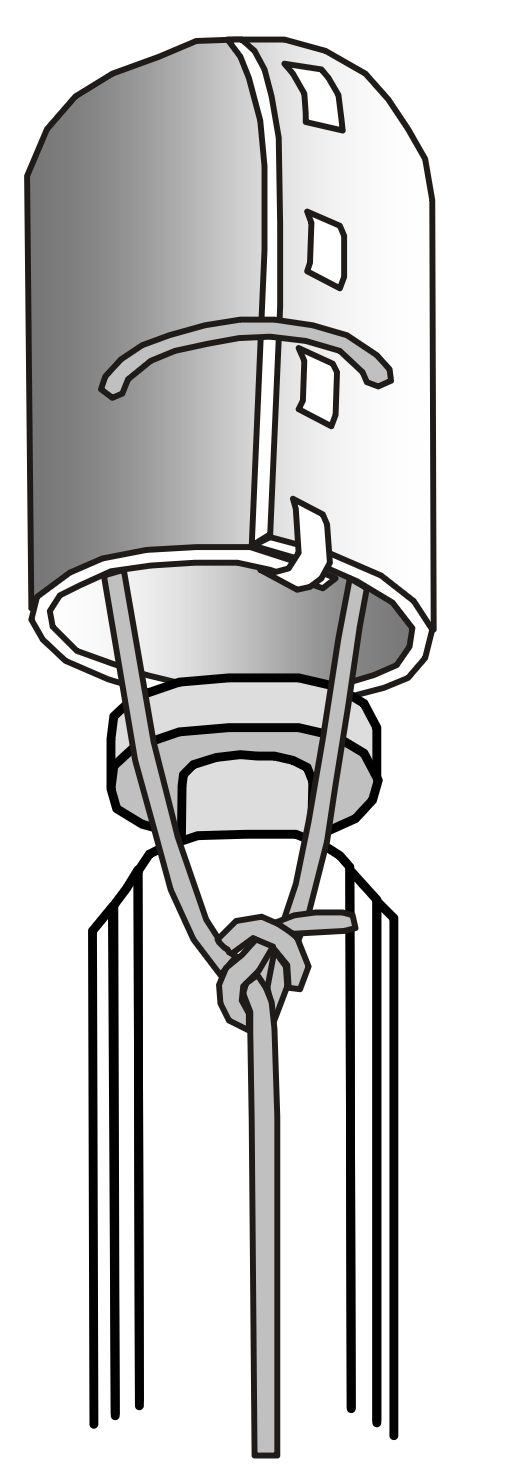
How to tie the tsuru (cord) on the handle
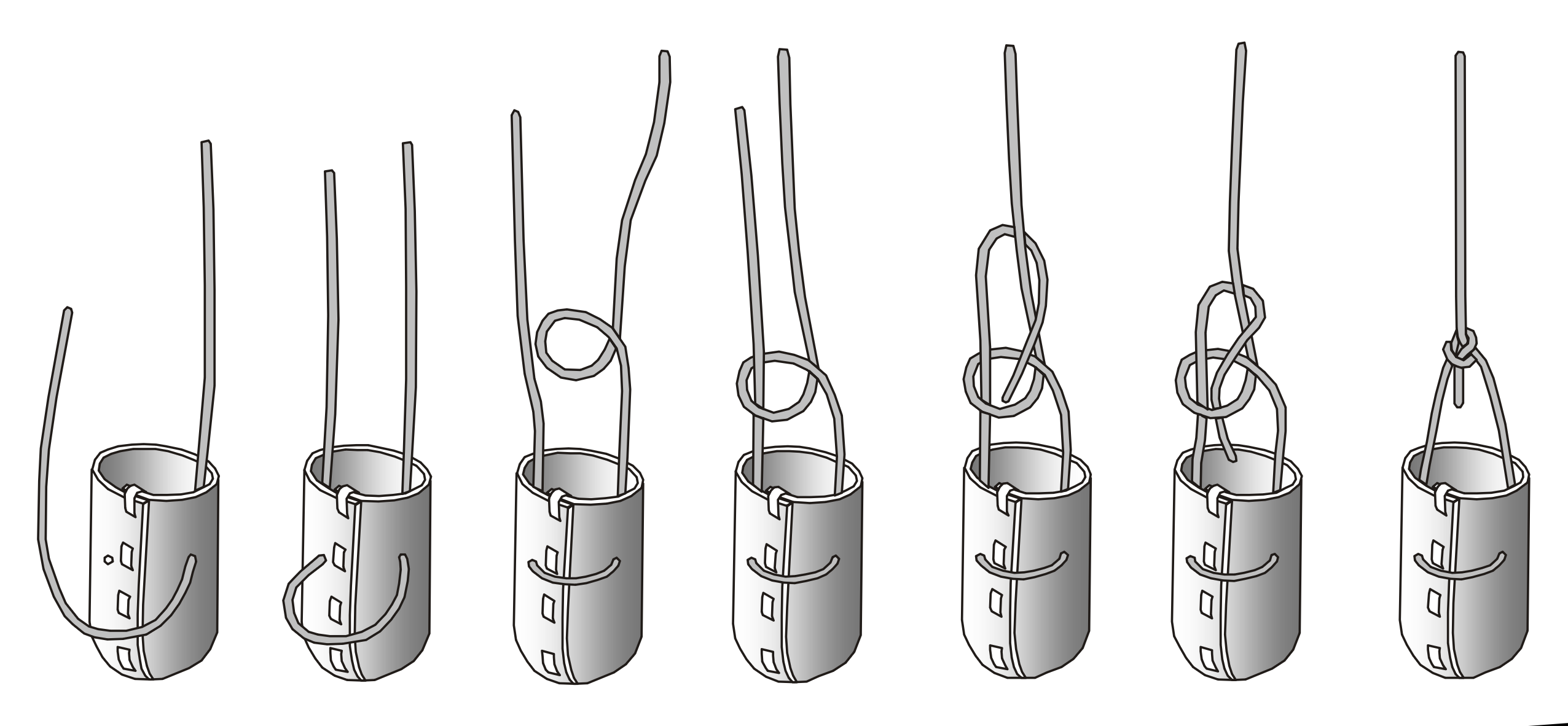
The tsuru is a cord made of silk or synthetic fiber. To tie the tsuru around the tsuka-gawa (leather grip):
- Thread the tsuru through the opening in the tsuka-gawa, wrap around, and secure
- Run it through the slit in the tsuka-gawa and wrap
- Make a loop, feed the end of the tsuru through it, and pull tight
Tip: A rubber sheet (or rubber gloves) makes the job much easier — the cord won't slip in your hands.
How to tie the nakayui (leather binding)
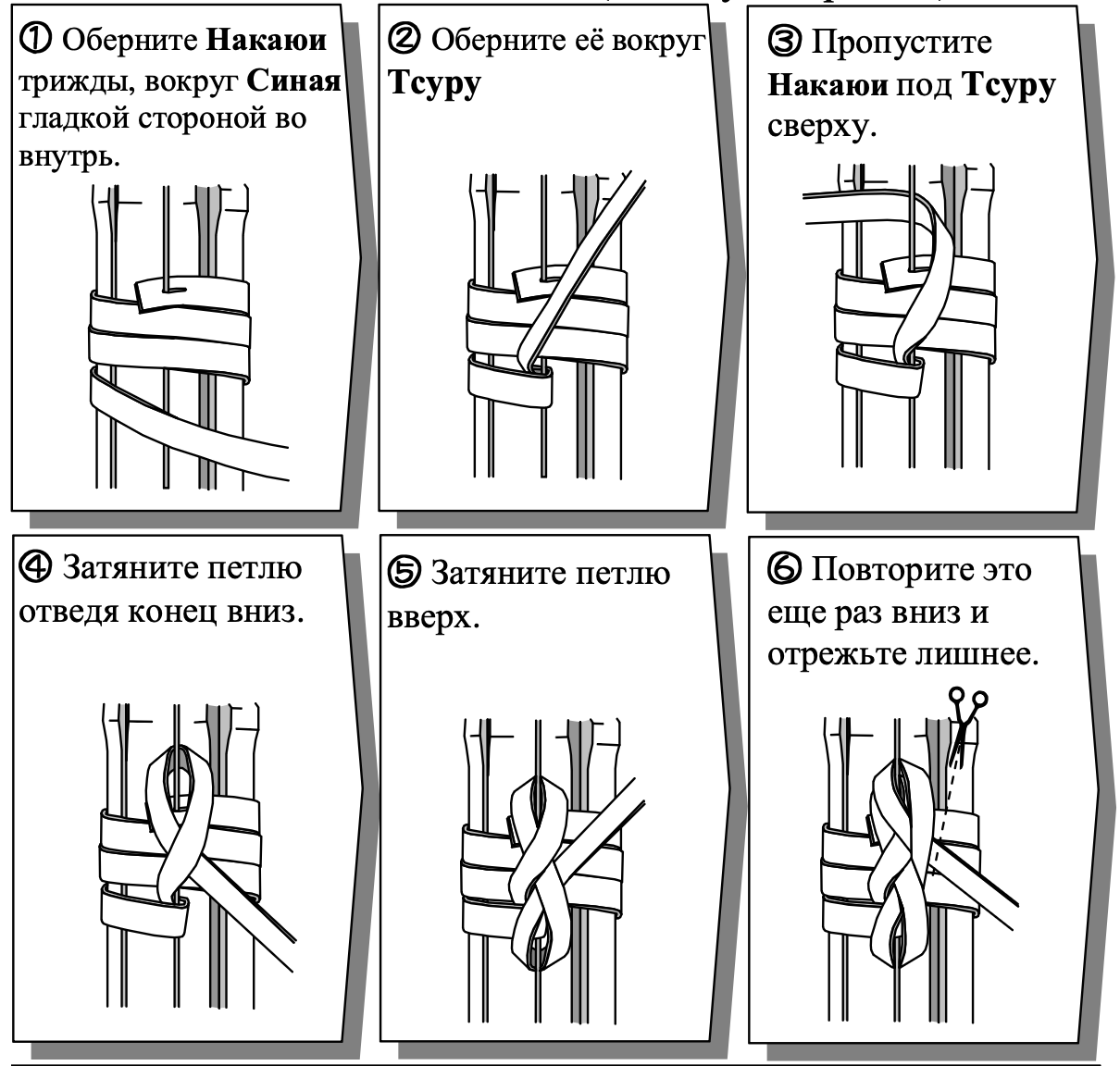
The nakayui is an important safety element. It has to be tied securely:
- Wrap the nakayui around the shinai on the tsuru side
- Pass the tsuru under the nakayui from above
- Tighten the loop by pulling the end downward
- Repeat once more and trim any excess
Tsuba and tsuba-dome
The tsuba is a round leather or plastic piece about 9 cm in diameter. Beyond acting as a hand guard, it also stabilizes the bamboo slats.
- The JKF doesn't regulate the color of the tsuba — you can use any
- Match the tsuba to the grip size of the shinai: too large and it wobbles, too small and it may split the handle
The tsuba-dome is the retainer that holds the tsuba in place. Three types are sold, all made of latex.
How to carry a shinai
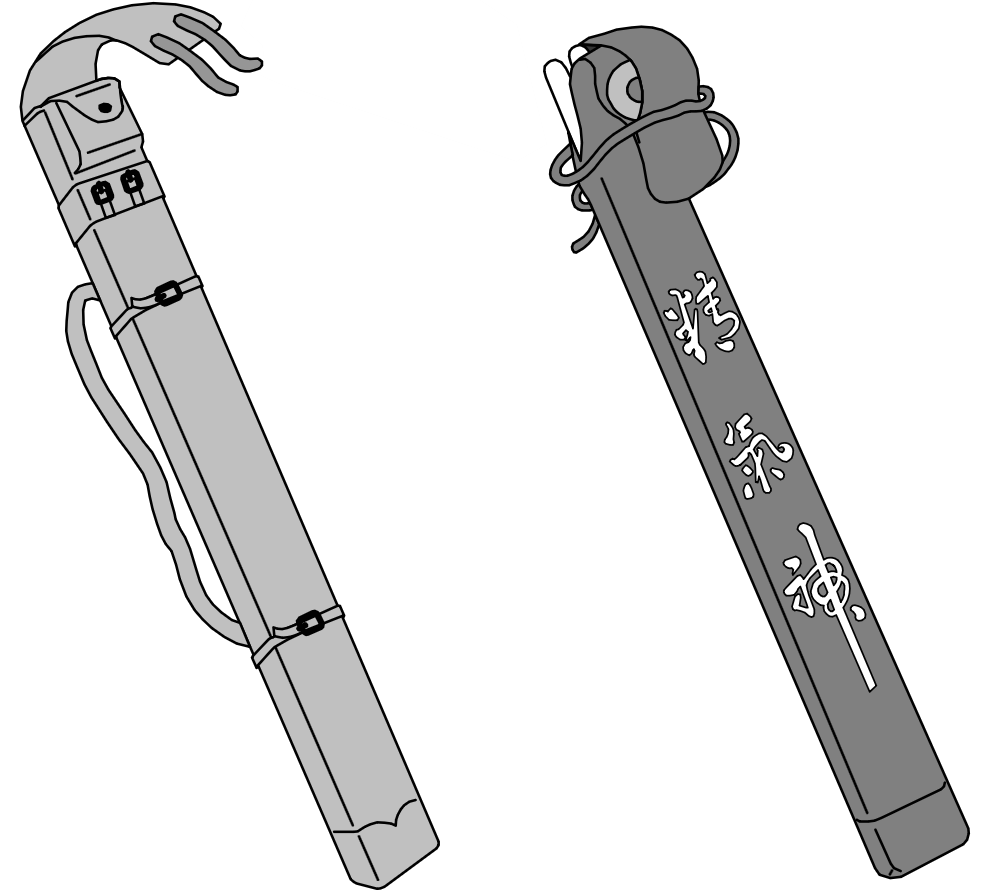
Shinai bags hold anywhere from 1 to 3 swords. They come in various materials — cotton, leather and more — and a range of colors and patterns.
Tip: Since the bag straps are fastened and unfastened often, handle them with care — they're the most vulnerable part of the bag.
Comparing shinai and bokken with the katana
The katana was traditionally forged from two grades of steel (high- and medium-carbon), which is why it transfers impact force outward into the tip, rather than inward. Making these swords is very complex — a consequence of the blade's distinctive profile.
In Japan, swords must be registered. Owning a sword requires a certificate. These swords are called shinken (真剣) — "real sword" — a word that also means "to be serious".
Mogito (模擬刀) is a replica sword made of aluminum alloy. The shape is identical to a real shinken, but the blade is unsharpened and springs back when pressed. It shouldn't be confused with "decorative" or "collectible" weaponry.